Why Lighthouse Histories Still Matter

Along the northern coast, each lighthouse marks more than a route through fog and tide—it records lives shaped by weather, distance, and a duty carried from one generation to the next.

This archive gathers those traces in images, field notes, and remembered voices, so the towers can be read not only as landmarks on a map, but as human places with enduring coastal memory.
Keeper stories

The people behind the beam

From logbook discipline to weather-worn routine, these accounts move the coast from landmark to lived experience. Each note traces quiet labor that kept navigation lights steady through long nights.

Night Ledger at Gullpoint Light

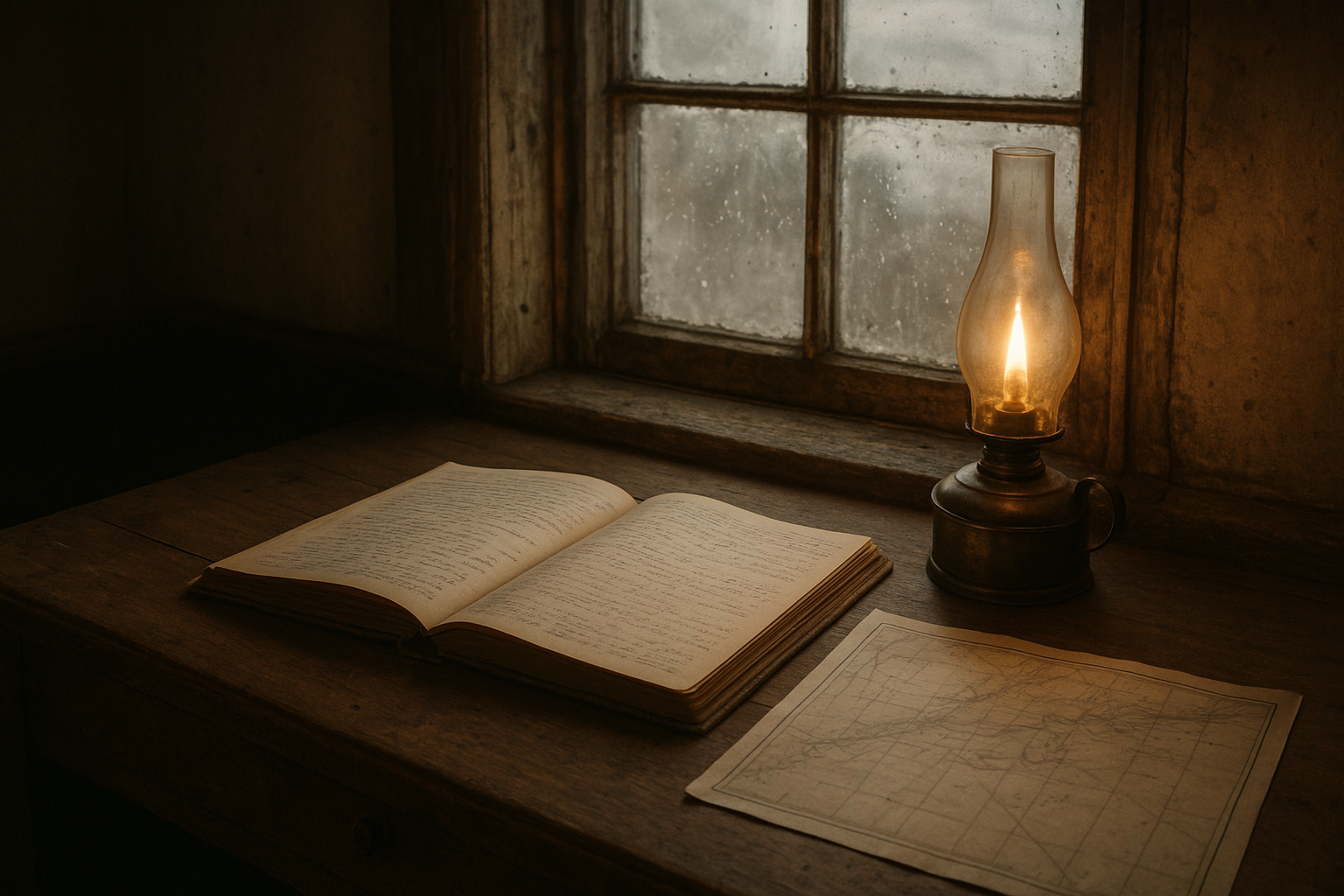
On wind-heavy evenings, Keeper Anna Morrow copied barometer readings by lamplight every hour, adding tiny margin notes about passing freighters so the next watch could match weather to traffic.

A weathered wooden desk inside a lighthouse watch room with an open ledger, brass oil lamp, and sea charts
Log room reconstruction, c. 1908 routine entries.
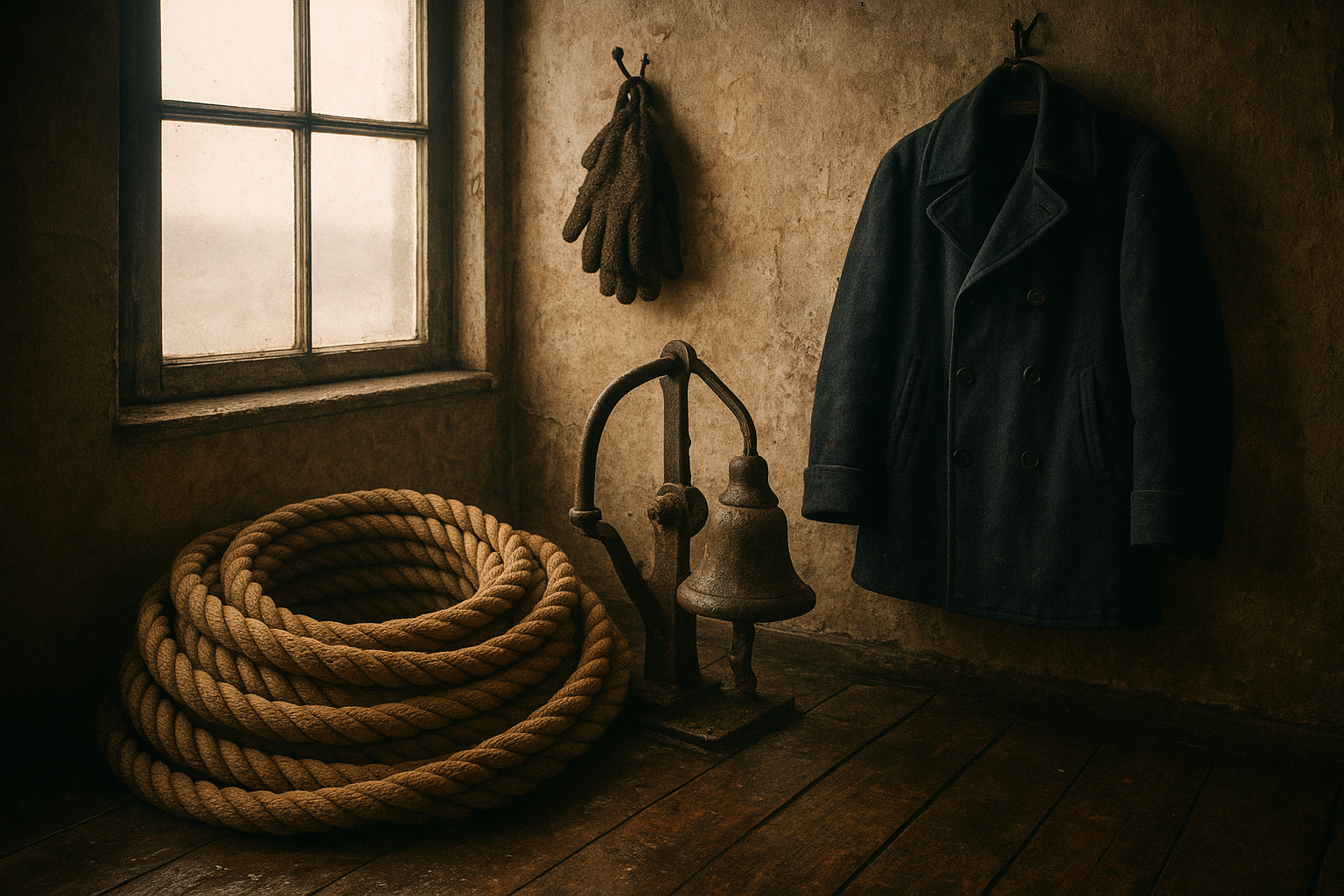
A close interior view of coiled bell rope, heavy gloves, and a damp peacoat hanging beside a lighthouse fog signal mechanism
Winter fog shift station, rope and bell apparatus notes.

Fog Bell Shift, Winter 1912

During a three-day fog closure, the bell keeper rotated duty in twenty-minute intervals to keep the striker from icing. The crew logged hand warmth breaks between pulls to avoid missing the rhythm.

Last Wick Before Dawn

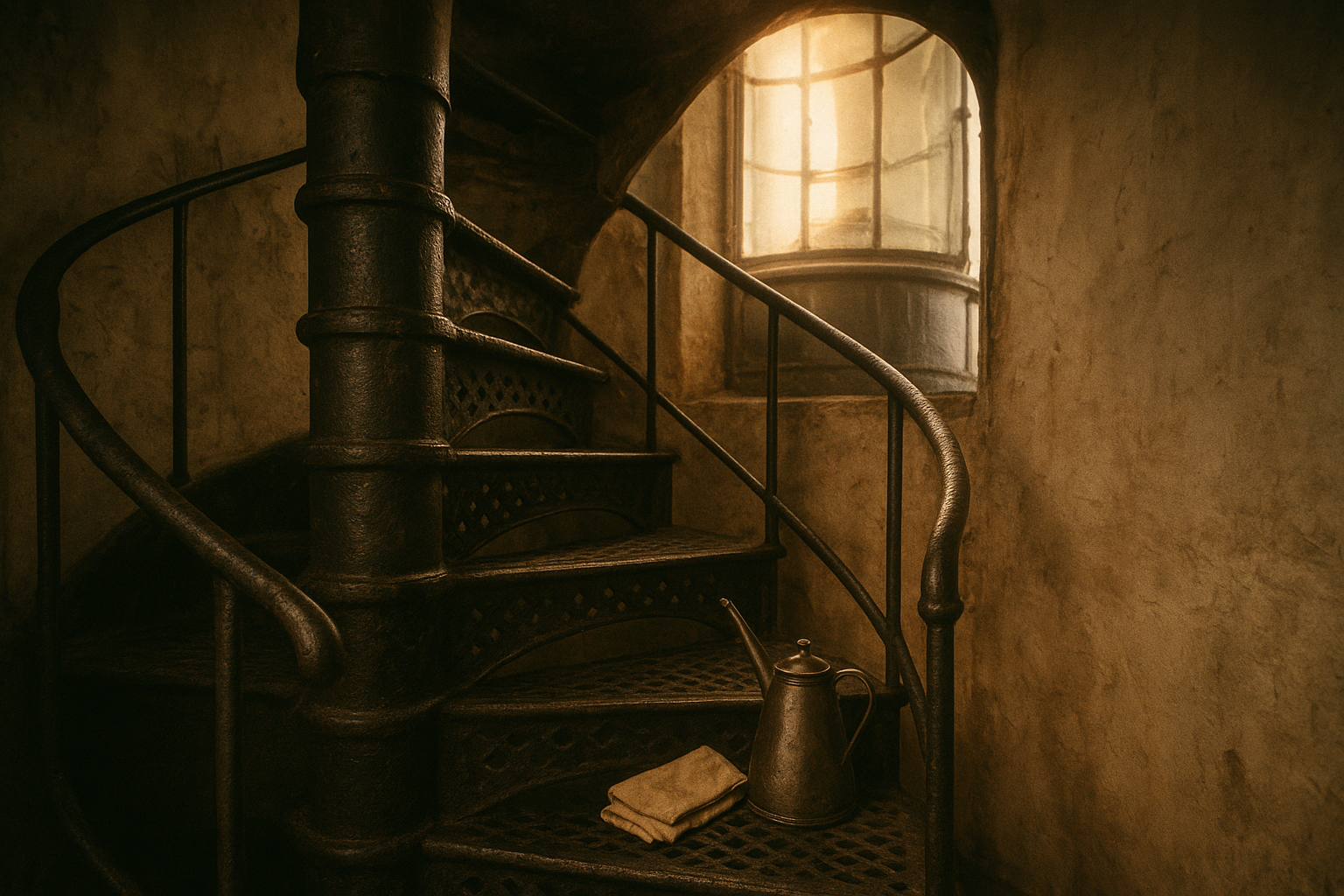
Before sunrise handover, keepers climbed the tower stairs with polishing cloth and spare wick, clearing salt haze from the lens so the first daylight shipping lane report matched a clean horizon.

Narrow lighthouse stairwell leading to the lantern room with a metal oil can, folded cloth, and morning light entering from above
Lantern preparation notes before morning watch transfer.